Happy New Year 2022! The last blog of this series will show a brief video clip of the technique of infiltration of the local tumescent anesthesia fluid and some key points to be considered.
Connect with us at dravellanet.com
Happy New Year 2022! The last blog of this series will show a brief video clip of the technique of infiltration of the local tumescent anesthesia fluid and some key points to be considered.
Connect with us at dravellanet.com
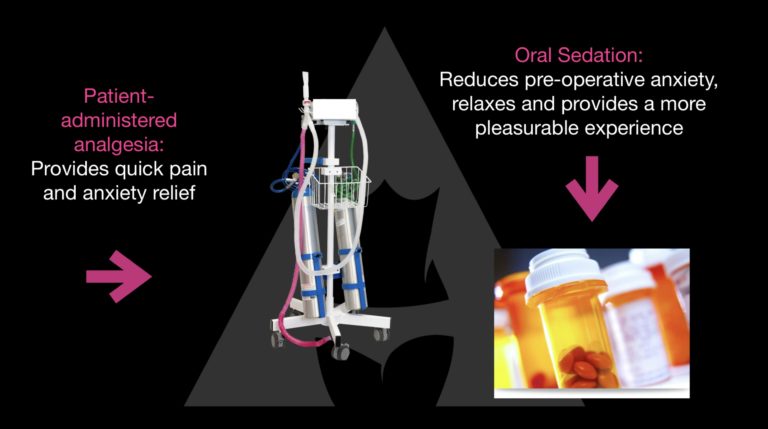
The last blog we talked about goals and safety doses for local tumescent anesthesia fluid. Today we will talk about oral sedation and patient controlled analgesia before and during surgery. Local tumescent liposuction is a safe, efficient and reproducible technique with excellent outcomes. The goal of the tumescent technique is to achieve complete anesthesia and vasoconstriction of the targeted tissues with minimal risks of complications and minimal discomfort and surgery time. The tumescent technique increases accuracy in liposuction, achieving excellent aesthetic results.
Oral sedation can be used to provide patients a more relaxing and pleasurable experience by reducing the pre-operative anxiety related to surgery. There are many options of “cocktails” the Cosmetic Specialist can advise patients to take. To be the most effective, oral sedation should be given at the clinic, 30 to 60 minutes prior to surgery.
A mix of 50% nitrous oxide and 50% oxygen oxide (PronoxTM) is an effective patient-administered analgesic that provides quick pain and anxiety relief. This type of analgesia can be used with or without the use of oral sedation. It’s best use is during the infiltration part, when the patient is most anxious and most discomfort is felt.
The use of local tumescent anesthesia with oral sedation and/or patient-administered analgesia during a liposuction/fat transfer surgery results in good anesthesia with very few complications.
Connect with us at dravellanet.com
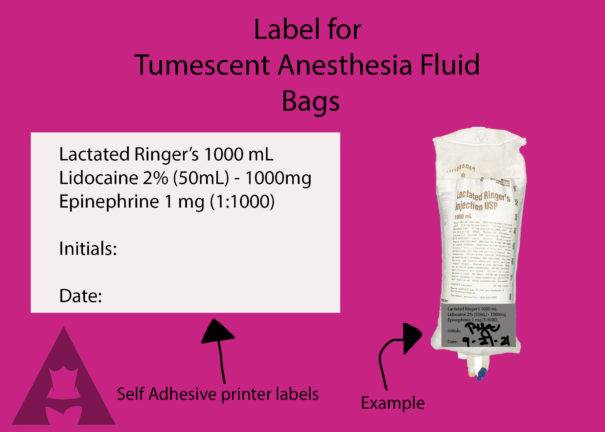
Happy October! In the past few weeks, we have talked about pre-operative photographs and measurements….today is all about TAF. Local Tumescent Anesthesia Fluid is composed of a dilute mixture of lidocaine and epinephrine in IV fluid. It can be prepared in different ways according to the cosmetic specialist’s preference but always maintaining patient safety and comfort level as the main goal.
The maximum safe dose of tumescent lidocaine is in the range of 50 to 55 milligrams per kilograms of body weight. It is critical to obtain the patient’s pre-operative weight and calculate the amount of TAF to be used during surgery.
The goal of the tumescent technique is to achieve complete anesthesia and vasoconstriction of the targeted tissues with minimal risks of complications and minimal discomfort and surgery time.
The vasoconstriction associated with epinephrine in TAF prolongs the local anesthetic effect and slows the rate of absorption of lidocaine.
The infiltration of the mixture of lidocaine and epinephrine produces swelling and firmness of targeted fatty areas, allowing liposuction totally by local anesthesia with excellent hemostasis and minimal blood loss.
Local tumescent anesthesia can also be used as the local anesthetic for the areas of fat transfer, utilizing less amount of fluid as not to distort the tissue.
The tumescent technique increases accuracy in liposuction, reducing post-operative bruising and discomfort and achieving excellent aesthetic results.
Local tumescent liposuction is a safe, efficient and reproducible technique with excellent outcomes.
Local tumescent anesthesia provides:
Connect with us dravellanet.com

Happy weekend! Last week we talked about pre-operative cosmetic photos of your patient and today we measure, measure and measure! It is of critical importance to take pre and post-operative measurements of all areas to be treated by liposuction. Why? Because measurements are an objective tool used to asses the changes after liposuction. Always measure the circumference of the abdomen at the level of the umbilicus (“true waist”) as shown in this video. Patients would be very happy to see the loss in inches/centimeters post-lipo!
Connect with is at dravellanet.com
It is Transformation Tuesday and the most reliable and accurate way to document your patients’ body transformation, in addition to the patients’ medical record, is by taking photos at the right angles and using the right equipment. This video blog shows you how to take pre-operative cosmetic photos of the patient, as previously discussed in a blog. The critical elements to include are:
Connect with us at dravellanet.com